

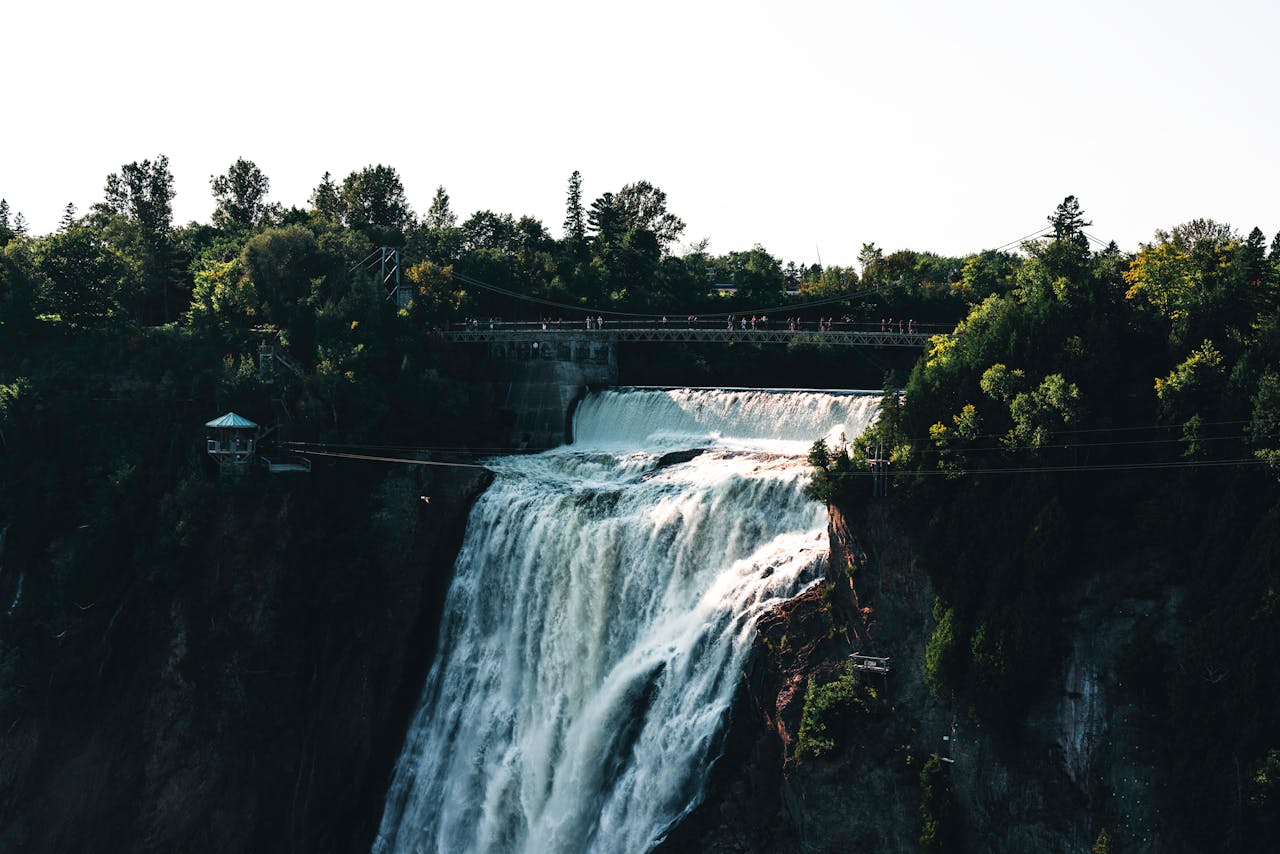
Eco-Friendly Travel in Quebec: How to Explore Nature Responsibly
Traveling through Quebec’s natural landscapes offers a strong opportunity to experience forests, lakes, and remote regions in a meaningful way. As outdoor tourism continues to grow, the importance of responsible travel becomes more relevant. Eco-friendly travel is not only about reducing impact, but also about making informed choices that support long-term environmental balance.
This guide focuses on practical ways to explore Quebec while minimizing environmental impact. From transportation decisions to behavior on trails, small adjustments can significantly improve how natural areas are preserved.
Understanding Eco-Friendly Travel
Eco-friendly travel involves making decisions that reduce harm to natural ecosystems while supporting sustainable practices. This includes limiting waste, conserving resources, and respecting local environments. In Quebec, where large areas remain relatively untouched, responsible behavior helps maintain these conditions.
Unlike traditional tourism, eco-travel emphasizes awareness. It requires understanding how individual actions affect the environment and adjusting behavior accordingly. This approach leads to a more intentional and informed travel experience.
Choosing Sustainable Transportation
Transportation is one of the largest contributors to environmental impact. When possible, selecting efficient travel options reduces emissions and resource use. Carpooling, using public transport, or combining multiple destinations into a single trip helps minimize unnecessary travel.
For local exploration, walking and cycling are effective alternatives. Many regions in Quebec provide access to trails and natural areas without requiring long-distance driving. Planning routes in advance improves efficiency and reduces environmental strain.
Reducing Waste While Traveling
Waste management is a key part of eco-friendly travel. Carrying reusable items such as water bottles, containers, and utensils significantly reduces single-use waste. In remote areas, waste disposal options may be limited, making preparation essential.
Packing out all trash, including food scraps, ensures that natural environments remain undisturbed. Even biodegradable materials can disrupt ecosystems and attract wildlife in ways that alter natural behavior.
Minimizing packaging before a trip also reduces the amount of waste generated. Choosing simple, reusable solutions supports long-term sustainability.
Respecting Natural Environments
Staying on designated trails prevents damage to vegetation and reduces soil erosion. Off-trail movement can have lasting effects, especially in sensitive areas. Following marked paths helps preserve the integrity of natural landscapes.
Avoiding disturbance to plants and wildlife is equally important. Removing natural elements, such as flowers or rocks, disrupts the ecosystem. Observing without interfering maintains balance and ensures that others can experience the same environment.
Noise levels should also be considered. Maintaining a calm presence allows wildlife to behave naturally and reduces overall disruption.
Supporting Local Communities
Eco-friendly travel extends beyond environmental impact and includes supporting local communities. Choosing locally owned accommodations, purchasing regional products, and respecting cultural practices contribute to sustainable tourism.
Many areas in Quebec rely on responsible tourism for economic stability. Engaging with local services in a respectful way helps maintain these systems without overwhelming them.
Understanding regional guidelines and regulations ensures that travel aligns with local expectations and environmental needs.
Responsible Camping Practices
Camping is a common way to experience Quebec’s natural areas, but it requires careful planning. Using designated campsites helps reduce environmental impact and provides access to proper facilities.
When camping in less developed areas, selecting durable surfaces and avoiding sensitive zones is critical. Fires should only be made where permitted, and existing fire rings should be used when available.
Water sources must be protected. Washing, cooking, and waste disposal should be done at a safe distance from lakes and rivers to prevent contamination.
Energy and Resource Conservation
Reducing energy use during travel contributes to overall sustainability. Limiting unnecessary use of electricity, water, and fuel helps conserve resources, especially in remote locations.
Simple actions such as turning off lights, using minimal water, and avoiding excessive device use can have a cumulative impact. These habits are particularly important in areas where resources are limited.
Choosing accommodations that follow sustainable practices further supports eco-friendly travel goals.
Planning with Awareness
Preparation plays a significant role in responsible travel. Researching destinations, understanding local conditions, and anticipating needs reduces the likelihood of unexpected impact.
Weather conditions, trail access, and seasonal changes should all be considered. Proper planning minimizes the need for last-minute adjustments that may disrupt natural areas.
Carrying appropriate gear also prevents damage. For example, using proper footwear reduces trail erosion, while having necessary supplies avoids the need for improvisation that could harm the environment.
Common Mistakes to Avoid
One common mistake is assuming that small actions have no impact. In reality, repeated behavior across many visitors can lead to significant environmental damage. Awareness at the individual level is essential.
Another issue is lack of preparation. Without proper planning, travelers may create unnecessary waste, disturb wildlife, or damage trails. Taking time to prepare reduces these risks.
Ignoring local regulations is also problematic. Guidelines are often designed to protect specific ecosystems, and following them ensures long-term preservation.
Conclusion
Eco-friendly travel in Quebec is a practical approach to experiencing nature while maintaining its integrity. By focusing on responsible behavior, efficient planning, and respect for local environments, travelers can reduce their impact without limiting their experience.
These practices support both environmental preservation and long-term access to natural spaces. Exploring Quebec responsibly ensures that its landscapes remain available for future visitors while maintaining their natural state.