

Exploring Quebec’s Forest Trails: A Practical Guide to Hiking in Canada’s Wild Landscapes
Quebec offers some of the most diverse and rewarding hiking experiences in Canada. From dense boreal forests to scenic river valleys and quiet mountain paths, the region provides a wide range of outdoor environments suitable for both beginners and experienced hikers. Understanding how to approach these landscapes, what to expect on the trails, and how to prepare properly can significantly improve both safety and enjoyment.
This guide provides a practical overview of hiking in Quebec, focusing on trail types, seasonal considerations, wildlife awareness, and essential preparation. Whether planning a short day hike or a longer backcountry trip, having the right expectations and knowledge makes a noticeable difference.
Understanding Quebec’s Trail Systems
Hiking trails in Quebec vary widely in structure and difficulty. Many are located within protected parks, while others run through public forests or conservation areas. Trails are typically categorized by difficulty level, ranging from easy, well-maintained paths to steep and remote routes that require navigation skills.
In provincial parks such as Sépaq-managed areas, trails are clearly marked and maintained regularly. These locations are suitable for most visitors and often include mapped routes, rest areas, and safety signage. Outside of managed parks, trails may be less structured, requiring additional planning and awareness.
Elevation gain is an important factor in Quebec hiking. While not known for extreme mountain ranges, many trails include steady inclines, rocky sections, and uneven terrain. Proper footwear and pacing are essential, especially for longer routes.
Best Seasons for Hiking
Each season in Quebec presents a different hiking experience. Summer remains the most popular time due to stable weather conditions and full trail accessibility. Temperatures are generally comfortable, though humidity and insects can be factors to consider.
Fall is often regarded as the best season for hiking. The landscape changes significantly as forests turn vibrant shades of red, orange, and yellow. Cooler temperatures make longer hikes more manageable, and insect activity decreases.
Spring hiking can be unpredictable. Melting snow and rain often create muddy conditions, making some trails difficult or temporarily closed. However, it is also a quieter time with fewer visitors.
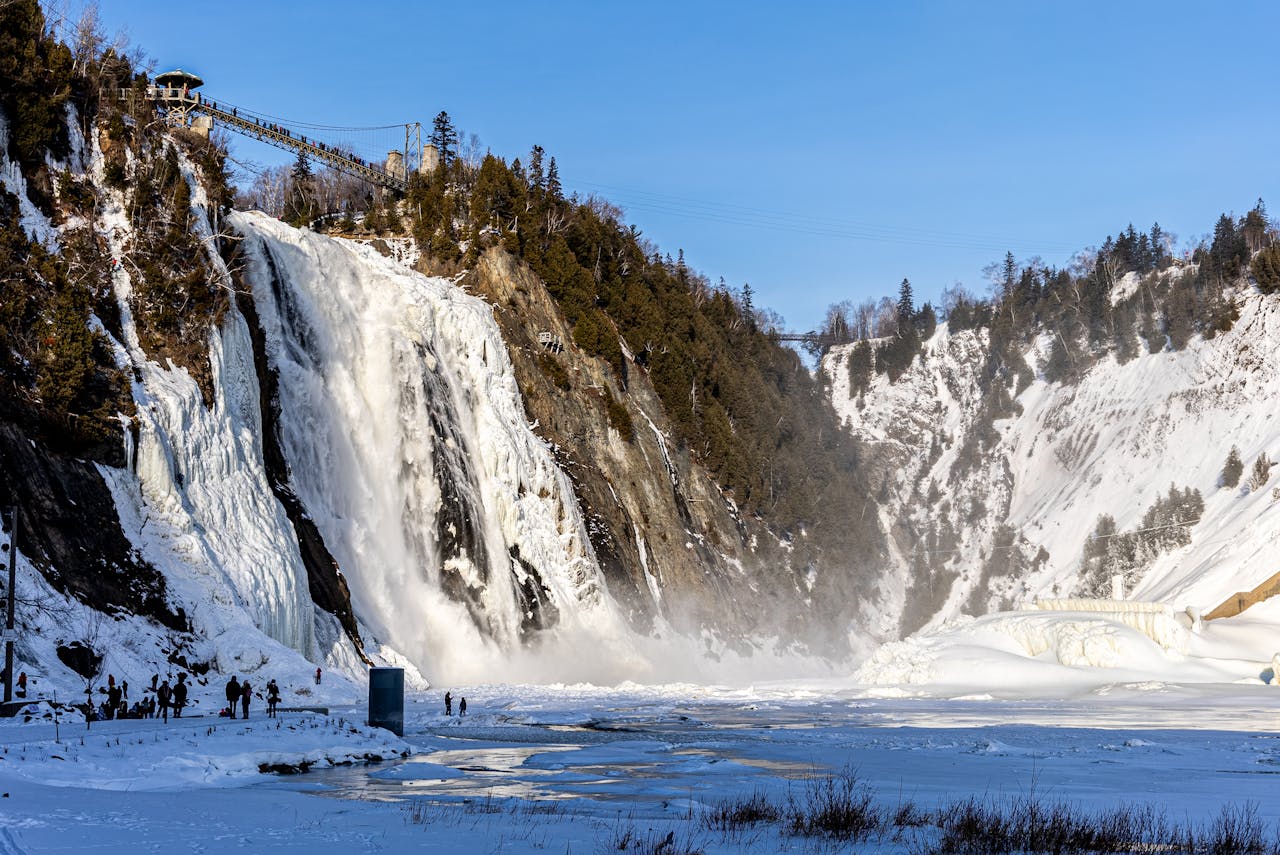
Winter hiking is possible but requires specialized preparation. Snow-covered trails demand proper gear, including snowshoes or traction devices. Navigation can also be more challenging, as trail markers may be partially hidden.
Wildlife Awareness and Safety
Quebec’s forests are home to a wide range of wildlife, including deer, black bears, moose, and various bird species. While encounters are generally rare, understanding how to behave in these environments is important.
Maintaining a safe distance from wildlife is critical. Feeding animals or attempting to approach them can lead to dangerous situations. Carrying basic safety items such as a whistle or bear spray in certain regions is recommended, particularly in more remote areas.
Making noise while hiking helps reduce the likelihood of unexpected encounters. This is especially useful in dense forest areas where visibility is limited. Most wildlife will avoid human presence when given advance notice.
Essential Gear for Quebec Hiking
Preparation plays a key role in a successful hiking experience. Even shorter hikes require basic equipment to ensure safety and comfort. At a minimum, hikers should carry water, appropriate clothing, navigation tools, and a small emergency kit.
Footwear is one of the most important considerations. Trails often include uneven surfaces, roots, and rocks. Durable hiking shoes with good traction provide stability and reduce fatigue.
Layered clothing is recommended due to changing weather conditions. Temperatures can shift throughout the day, especially in forested or elevated areas. Waterproof outer layers are useful in case of unexpected rain.
Navigation tools such as maps or GPS devices help maintain orientation, particularly on longer trails. While many areas have marked paths, relying solely on signage is not always sufficient.
Planning Your Route
Before starting a hike, reviewing the trail length, elevation, and estimated completion time is essential. Many trails appear manageable at first but can become more demanding depending on terrain and weather.
Starting early in the day allows for better time management and reduces the risk of finishing after dark. It also provides more flexibility in case of unexpected delays.
Informing someone about your planned route and expected return time adds an extra layer of safety. In remote areas, this step is particularly important, as cell service may be limited.
Leave No Trace Principles
Preserving natural environments is a fundamental part of responsible hiking. Following Leave No Trace principles helps protect ecosystems and ensures that trails remain accessible for future visitors.
All waste should be packed out, including food scraps. Staying on designated trails prevents damage to surrounding vegetation. Respecting wildlife and avoiding disturbance to natural habitats supports long-term conservation efforts.
Fires are generally restricted in many areas and should only be made in designated locations where permitted. Checking local regulations before heading out is recommended.
Popular Hiking Regions in Quebec
Quebec offers several well-known regions for hiking, each with its own characteristics. Mont-Tremblant National Park is one of the most accessible and developed areas, featuring a wide range of trails and viewpoints.
Jacques-Cartier National Park is known for its valley landscapes and opportunities to observe wildlife. The terrain varies from moderate to more advanced trails, making it suitable for different skill levels.
Gaspésie National Park provides more challenging mountain hiking, including higher elevations and longer routes. This region is often chosen by experienced hikers looking for extended outdoor trips.
For those seeking quieter environments, smaller regional parks and conservation areas offer less crowded alternatives with equally rewarding scenery.
Common Mistakes to Avoid
One of the most common issues for new hikers is underestimating trail difficulty. Even short hikes can become demanding due to terrain and weather conditions. Choosing a route that matches your experience level is important.
Another frequent mistake is insufficient preparation. Lack of water, improper footwear, or missing navigation tools can quickly turn a simple hike into a difficult situation.
Weather changes are often overlooked. Conditions can shift rapidly, especially in forested or mountainous areas. Checking forecasts and preparing for unexpected changes improves safety.
Good preparation matters not only on the trail, but also at home when small problems start showing early.
If moisture, impact damage, or ceiling stains appear indoors, professional
drywall repair in Huntington Beach can help restore the wall or ceiling before the damage becomes more visible.
Conclusion
Hiking in Quebec offers a balanced combination of accessibility and natural diversity. With proper preparation and awareness, the region provides consistent opportunities for outdoor exploration across all seasons.
Understanding trail conditions, respecting wildlife, and following basic safety practices allows hikers to experience these landscapes with confidence. Whether exploring a well-known park or a quiet forest path, Quebec remains a reliable destination for those seeking meaningful time in nature.