

A Quiet Morning on Quebec Trails: What You Notice When You Slow Down
There is a noticeable difference between walking through a forest and actually being present in it. In Quebec, many trails offer that shift almost immediately, especially early in the morning when the air feels still and the landscape has not yet been disturbed by movement. It is not about covering distance or reaching a viewpoint quickly. It is about adjusting pace and noticing what is usually missed.
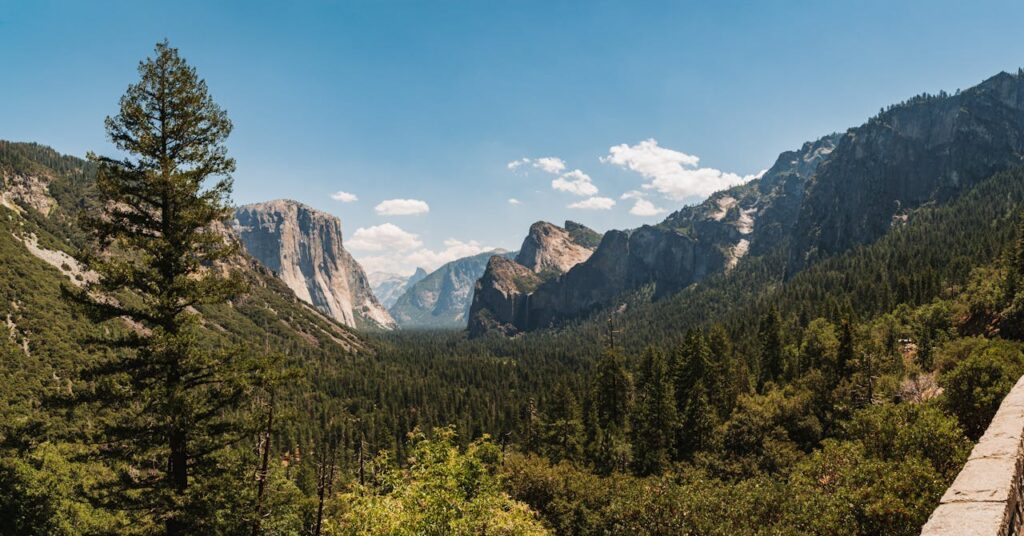
On a quiet trail, the first thing that changes is sound. Instead of footsteps dominating everything, smaller details begin to surface. Leaves moving slightly, distant bird calls, and the occasional crack of a branch somewhere deeper in the woods. These are not dramatic moments, but they shape the experience in a way that feels more natural and less rushed.
Moving Without Urgency
Most people start a hike with a destination in mind. A summit, a lake, or a lookout point. While those places are worth reaching, the time in between often carries more value. Slowing down changes how the environment is perceived. The trail becomes less of a path to follow and more of a space to observe.
Taking shorter steps, pausing without a specific reason, or simply standing still for a moment allows the surroundings to settle. Wildlife becomes easier to notice, not because there is more of it, but because movement is reduced. Even small animals tend to ignore a presence that does not feel intrusive.
Light Through the Forest
Morning light in Quebec forests tends to move slowly through the trees. Instead of bright exposure, it filters in layers, creating patterns on the ground that shift over time. In certain areas, especially where the forest is dense, this creates a sense of depth that changes as you move.
It is not something that requires effort to appreciate. It becomes visible naturally when there is no rush. The same trail walked later in the day feels different, not because the terrain changes, but because the light does.
Small Details That Usually Go Unnoticed
When pace is reduced, details begin to stand out. The texture of tree bark, the variation in leaf shapes, the way moss grows unevenly along rocks or fallen logs. These are elements that exist everywhere on the trail but are often ignored when the focus is only on moving forward.
In wetter areas, you may notice how the ground shifts slightly underfoot. Near streams, the air feels cooler, even when temperatures remain stable. These are subtle changes, but they add dimension to the environment.
None of this requires special knowledge. It is simply a matter of attention. The more time spent observing, the more consistent these details become.
Wildlife Encounters Without Expectation
Wildlife is present on most trails, even if it is not immediately visible. Birds tend to be the easiest to notice, especially in the early hours. Their activity increases before the trail becomes busy, making it easier to hear and occasionally see them.
Larger animals are less predictable. Encounters are rare, but signs of presence are common. Tracks in soft ground, movement in the distance, or changes in sound patterns can indicate nearby activity. These moments are often brief and easy to miss when moving quickly.
Maintaining a calm presence improves the likelihood of noticing something. Not because animals are drawn closer, but because they are less likely to move away immediately.
Weather That Shapes the Experience
Conditions in Quebec can change without much warning. A clear morning may shift into light rain, or clouds may settle into the forest, reducing visibility. These changes often alter how a trail feels rather than limiting the experience.
Light rain tends to quiet the environment even further. Surfaces become darker, colors appear more saturated, and sound carries differently. Fog creates a sense of isolation, even on familiar paths.
Adapting to these changes instead of avoiding them often leads to a more varied experience. The same trail can feel entirely different depending on conditions.
Taking Breaks That Matter
Stopping for a break does not need to be tied to distance or fatigue. Choosing a spot that feels quiet or visually interesting often leads to a better pause than simply stopping at a designated area.
Sitting for a few minutes without distraction allows the environment to return to its normal state. Sounds that were previously hidden become noticeable again. Movement resumes in subtle ways. It becomes clear that most of the activity never stopped, it was just masked by presence.
These pauses tend to stay with you longer than reaching a specific point on the map.
Leaving the Trail as It Was
One of the simplest aspects of outdoor travel is also the most important. Leaving no visible trace ensures that the same experience remains available for others. It also maintains the natural state of the environment without unnecessary change.
This does not require effort beyond awareness. Carrying out what is brought in, staying on the path, and avoiding unnecessary disturbance are small actions that preserve the overall experience.
Over time, these habits become automatic and shape how every trail is approached.
Why Slowing Down Changes Everything
There is no specific technique required to experience a trail differently. The shift comes from reducing pace and removing urgency. Once that happens, the environment begins to reveal itself in a more consistent and natural way.
Quebec’s landscapes do not rely on dramatic features to be meaningful. Their value comes from consistency, detail, and quiet variation. The more time spent paying attention, the more noticeable those elements become.
In the end, the distance covered matters less than how the time was spent. A slower walk often leaves a clearer impression than a faster one, even on the same path.