

Quiet Forest Evenings in Quebec: When the Trail Starts to Slow Down
Evening in Quebec forests feels different from any other time of day. The shift is gradual, but noticeable. Light softens, movement decreases, and the trail begins to feel less like a route and more like a place to stay for a while. It is not about reaching a destination anymore. It is about being present as the environment settles.
Unlike morning hikes, which often carry a sense of anticipation, evening walks tend to feel more complete. The day is already behind, and there is less urgency to move quickly. This naturally changes how people interact with the trail.
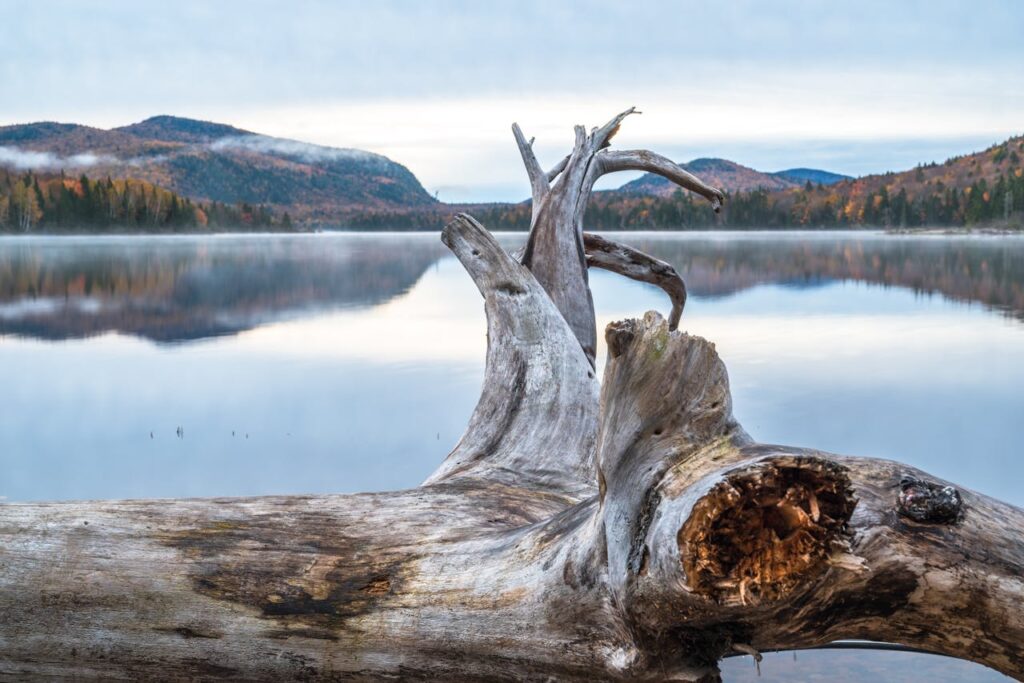
Light That Changes the Landscape
As the sun lowers, light begins to stretch across the forest. Shadows become longer, and contrast increases between open areas and dense sections. Even simple paths start to look more defined as light filters through at an angle.
Colors also shift slightly. Greens appear warmer, and surfaces reflect light in a softer way. This does not transform the environment dramatically, but it adds a layer of depth that is easy to notice when moving slowly.
In open spaces, the sky becomes part of the experience. The transition from daylight to evening tones happens gradually, making it easy to stay longer than planned.
Sounds Begin to Fade
One of the most noticeable changes in the evening is sound. Activity decreases, and the forest becomes quieter. Daytime noise, whether from birds or distant movement, starts to fade.
At the same time, certain sounds become clearer. A single branch moving, footsteps on the trail, or wind through leaves stands out more. This creates a different kind of quiet, one that feels steady rather than empty.
It is not silence, but a more focused version of the environment.
Wildlife Movement at Dusk
Evening is a transition period for wildlife. Some species become less active, while others begin to move more. Birds may settle, while small mammals start appearing closer to open areas.
These changes are subtle and often brief. You may notice movement at the edge of your vision or hear activity deeper in the forest. Encounters are not guaranteed, but the sense of presence is stronger.
Maintaining a calm pace increases the chance of noticing these moments without disrupting them.
The Trail Feels More Open
As fewer people remain on the trail, the space begins to feel less structured. Stops happen naturally, without needing to step aside or adjust to others. The environment becomes more consistent and uninterrupted.
This change often makes even familiar trails feel different. Without daytime activity, the same path can feel more expansive, even if nothing physically changes.
There is less pressure to move forward, which makes it easier to stay in one place for longer periods.
Temperature and Air Shift
Evening air tends to cool gradually, especially in forested areas. The temperature change is usually mild, but enough to be noticeable during longer walks.
Humidity may increase slightly, particularly near water or in dense vegetation. This can make the air feel heavier, but also more stable.
These shifts are subtle, but they contribute to the overall change in atmosphere.
Pausing Becomes Part of the Walk
Evening walks often include more frequent pauses. Not out of necessity, but because the environment encourages it. Sitting on a rock, standing still for a moment, or simply observing the surroundings becomes part of the experience.
These pauses are rarely planned. They happen naturally when the pace slows and the focus shifts away from distance.
Over time, they tend to define the walk more than the path itself.
Visibility and Awareness
As light fades, visibility becomes more limited. This requires a small adjustment in awareness, especially on uneven terrain. Roots, rocks, and changes in elevation are less obvious, making careful footing more important.
Carrying a light source is useful if there is any chance of staying past daylight. Even if not used, having it available adds a level of security.
Planning a return before complete darkness helps maintain a comfortable balance between experience and safety.
The Shift from Movement to Stillness
Evening naturally transitions from movement to stillness. What begins as a walk often ends as a quieter, more reflective experience. The trail itself does not change, but how it is used does.
This shift is not something that needs to be forced. It happens as the environment slows down. Matching that pace creates a more consistent and natural experience.
In many cases, this is what makes evening walks more memorable than daytime hikes.
Leaving Without Disrupting the Moment
Ending an evening walk often feels different from finishing a daytime hike. There is less sense of completion and more of a gradual exit. The goal is not to finish quickly, but to leave the environment as it is.
Moving quietly, avoiding unnecessary noise, and respecting the space ensures that the transition back feels smooth.
It also allows the environment to return to its natural state without interruption.
Evening in Quebec forests does not rely on dramatic changes. Its value comes from subtle shifts in light, sound, and pace. Once noticed, these elements tend to stay consistent across different trails and seasons.