

Walking Through Quebec in Early Fall: When the Forest Starts to Shift
Early fall in Quebec does not arrive all at once. It begins with small changes that are easy to overlook if you are not paying attention. A slight drop in temperature, fewer insects in the air, and a quiet shift in color across the trees. The forest remains mostly green at first, but there are hints of what is coming.
This period, often lasting only a few weeks, feels balanced. Summer conditions are still present, but the pace of the environment begins to slow. Trails become more comfortable to walk, and the overall atmosphere feels more stable.
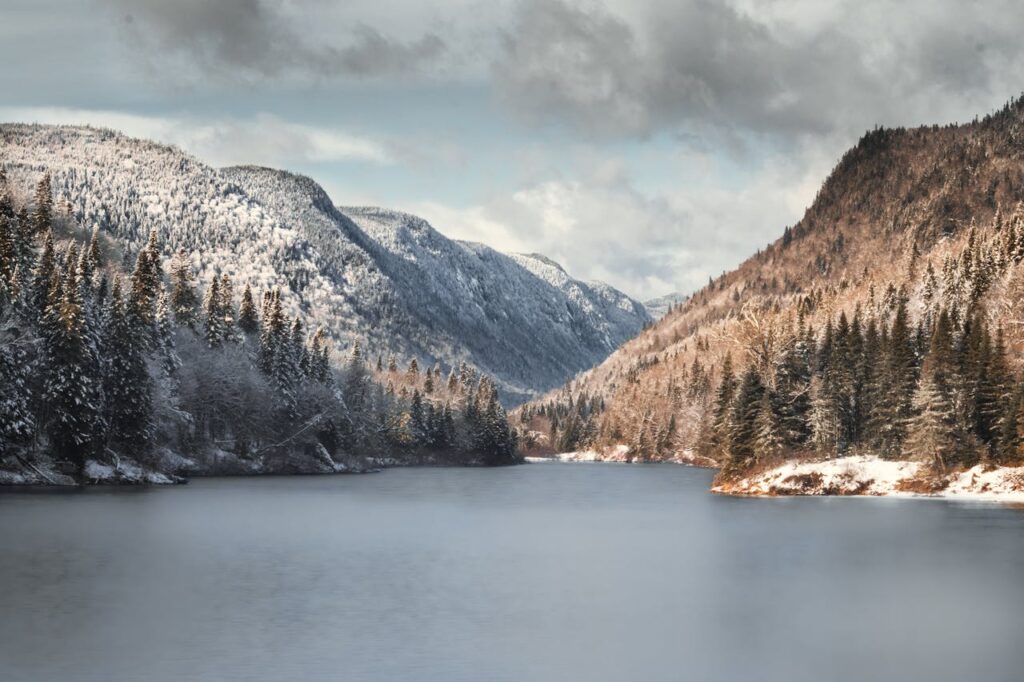
Subtle Changes in Color
The first signs of fall are not dramatic. A few leaves turn earlier than others, creating small patches of color that stand out against the green. These changes are scattered, not uniform, which makes them more noticeable.
Over time, the variation increases. More trees begin to shift, and the forest develops a layered look. It is not yet the peak of the season, but the transition itself becomes part of the experience.
Walking through these early changes feels different from peak fall. It is quieter and less expected, with fewer people focusing on specific viewpoints.
Cooler Air, More Comfortable Movement
Temperature plays a major role in how trails feel during this time. Cooler air makes longer walks easier, especially in areas that felt humid during the summer.
The difference is not extreme, but enough to change the pace. Movement feels more natural, and there is less need for frequent stops due to heat.
This creates a steady rhythm that is easier to maintain over longer distances.
Fewer Insects, Fewer Distractions
One of the practical benefits of early fall is the reduction in insect activity. Mosquitoes and other insects become less active as temperatures drop, making the experience more comfortable.
This allows for more focus on the environment itself. Stops feel more relaxed, and there is less need to constantly adjust or move away from certain areas.
It is a small change, but it improves overall consistency on the trail.
Light Feels Softer
As the season shifts, light becomes less intense. The angle of the sun changes slightly, creating longer shadows and softer highlights. This affects how the forest looks throughout the day.
Morning light tends to feel clearer, while afternoons carry a warmer tone. Even without full color change, these shifts add variation to the landscape.
Photography becomes easier during this time, not because of dramatic scenery, but because of balanced lighting.
Wildlife Adjusts to the Season
Animals begin to prepare for colder months. Some species increase feeding activity, while others become less visible as they transition into different patterns.
Bird movement may change as migration begins. Certain areas that were quiet during summer become more active for short periods.
These changes are not always obvious, but they add movement and variation to the environment.
Trails Feel Less Crowded
Before peak fall arrives, many trails remain relatively quiet. Visitor numbers are lower compared to weekends during peak foliage season.
This creates a more consistent experience. Movement is not interrupted, and stops can happen naturally without adjusting to others.
Even well-known locations feel more open during this transition period.
Ground Conditions Begin to Change
Fallen leaves start to cover parts of the trail, creating a softer surface. At first, this is minimal, but it gradually increases.
Walking through light layers of leaves adds a different texture underfoot. It also changes how the trail looks, making familiar paths feel slightly different.
In some areas, moisture increases, especially after rain. This requires a bit more attention to footing, but does not significantly affect accessibility.
A More Balanced Hiking Experience
Early fall combines elements of both summer and autumn. Trails remain accessible, weather is stable, and the environment begins to shift without becoming unpredictable.
This balance makes it one of the most consistent times to explore Quebec’s landscapes. There are fewer extremes, which allows for longer and more comfortable outings.
The experience feels steady rather than dramatic, which often makes it more enjoyable over time.
Letting the Season Unfold Naturally
There is no need to rush through this period. The changes happen gradually, and observing them over time provides a better understanding of the landscape.
Returning to the same trail on different days can reveal noticeable differences. What begins as small patches of color quickly develops into a more defined shift.
This progression becomes part of the experience rather than something to chase.
Keeping the Environment Undisturbed
As conditions change, maintaining the trail becomes more important. Staying on established paths helps protect areas that are beginning to transition.
Fallen leaves and softer ground can be easily disrupted. Avoiding unnecessary movement off the trail helps preserve the environment.
Simple awareness ensures that these seasonal changes remain intact for others.
Early fall in Quebec is not defined by peak color or dramatic weather. Its value comes from transition. The forest begins to slow, the air becomes easier to move through, and the overall experience feels more balanced.