

Along the California Coast: Walking Big Sur Without Rushing the View
Big Sur is often associated with dramatic coastal views, steep cliffs, and long stretches of highway overlooking the ocean. Most people arrive expecting to stop at viewpoints, take photos, and move on. But walking even a short distance away from the road changes the experience almost immediately.
The coastline feels less like a series of scenic stops and more like a continuous space. Movement becomes slower, not because of difficulty, but because the environment naturally draws attention in different directions.
The Ocean as a Constant Presence
Unlike inland trails, where the environment shifts frequently, the ocean remains consistent. It does not change direction or disappear from view. Even when partially hidden, its presence is always noticeable through sound and movement.
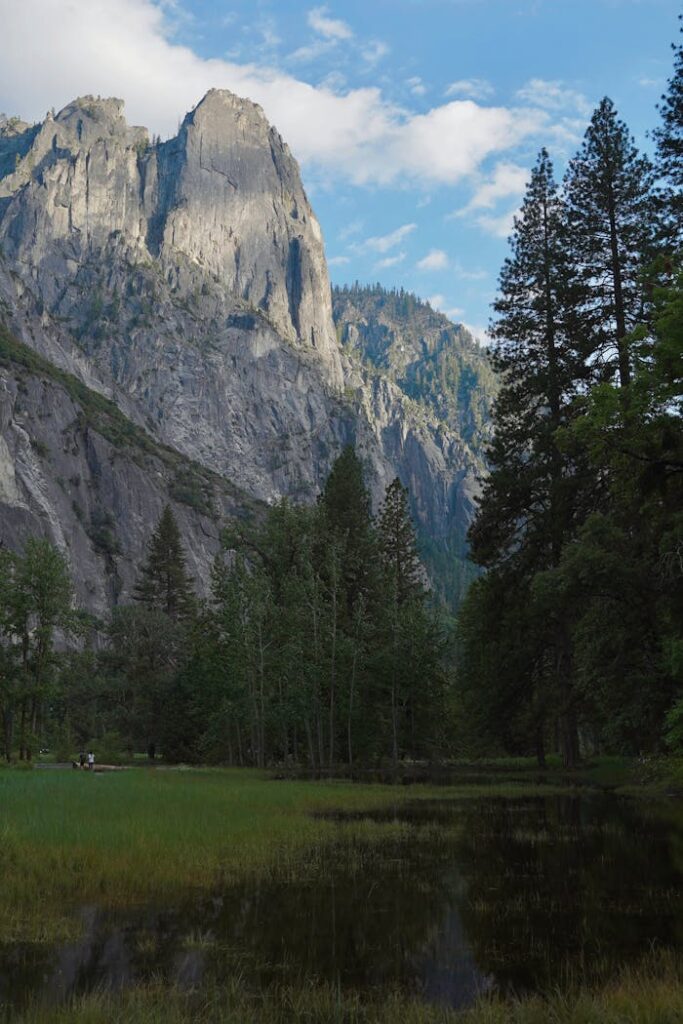
This consistency creates a stable background. The waves, wind, and open horizon form a steady layer that does not depend on where you stand.
Over time, it becomes less of a focal point and more of a continuous element that shapes the entire walk.
Cliffs That Change Perspective
Walking along the cliffs introduces a different sense of space. Elevation is not extreme in every section, but the drop toward the ocean creates a clear visual contrast.
This affects how you move. Steps become more deliberate, and awareness of footing increases, even on well-defined paths. The terrain encourages attention without feeling restrictive.
Looking outward feels natural, but so does looking down and noticing how the land meets the water.
Wind That Shapes the Experience
Wind is one of the most defining factors along the Big Sur coastline. It can be light and barely noticeable or strong enough to change how you walk.
Unlike forest environments, where wind is filtered by trees, coastal areas remain open. This makes the movement of air more direct and consistent.
Adjusting to it becomes part of the experience rather than something to avoid.
Light That Reflects Off the Water
Light behaves differently near the ocean. Reflections create a shifting surface that changes throughout the day. Morning light tends to feel softer, while midday can be brighter and more direct.
By evening, the light becomes warmer and spreads across the water at a lower angle. This softens the overall appearance and reduces contrast.
These changes affect not just how the ocean looks, but how the surrounding land is perceived as well.
Trails That Follow the Edge
Coastal trails in Big Sur often follow the natural shape of the land. They curve along cliffs, dip into small valleys, and rise again without a strict pattern.
This makes the walk feel less structured. Instead of moving in straight lines, you adapt to the terrain as it shifts.
The path becomes part of the landscape rather than a separate element.
Pausing Without a Destination
There is no single point that defines a coastal walk. The entire route offers similar views, making it easier to stop without aiming for a specific location.
Standing still for a moment often reveals more than continuing to move. The ocean continues to change, and the light shifts gradually even within short periods.
These pauses become part of the experience rather than interruptions.
Fewer Barriers, More Exposure
Coastal environments are more exposed than forest trails. There are fewer natural barriers, which increases visibility but also requires more awareness.
Sun exposure can be stronger, and wind conditions may change quickly. This does not make the walk difficult, but it does require a different level of attention.
Simple preparation, such as appropriate clothing and hydration, helps maintain comfort.
Wildlife Along the Coast
Wildlife in Big Sur often appears in subtle ways. Birds are the most visible, moving along the cliffs or above the water. Occasionally, marine life can be seen from higher viewpoints.
These moments are not guaranteed, but they add variation to the environment when they occur. Visibility is generally higher than in dense forests, making observation easier from a distance.
Maintaining space ensures that these interactions remain natural.
Letting the Coastline Set the Pace
The coastline does not encourage fast movement. The combination of terrain, wind, and open space naturally slows the pace.
Trying to move quickly often feels out of place. Allowing the environment to guide movement leads to a more consistent experience.
The focus shifts away from distance and toward how the space feels over time.
Walking along Big Sur is often described through its views, but the experience becomes more complete when those views are not the only focus. The coastline offers a steady, connected environment that reveals itself gradually without needing to be rushed.