

Short Nature Walks in Quebec: When Less Distance Feels More Complete
Not every walk in nature needs to be long to feel worthwhile. In Quebec, many shorter trails offer the same level of engagement as extended hikes, just without the physical demand. These routes are often overlooked in favor of longer distances, but they provide a different kind of experience that feels more focused and less structured.
Instead of planning around time and distance, short walks shift attention toward the environment itself. The goal is not to cover ground, but to move through a space without pressure. This changes how the trail is approached from the very beginning.
Starting Without a Defined Objective
On longer hikes, there is usually a clear endpoint. A summit, a viewpoint, or a loop that needs to be completed. Shorter walks remove that structure. You begin without needing to reach anything specific.
This creates a different mindset. There is no need to track progress or measure how far you have gone. Turning back at any point feels natural rather than incomplete.
Without a fixed objective, the walk becomes more flexible and easier to adjust in the moment.
Paying Attention to Immediate Surroundings
Short distances make it easier to focus on what is directly around you. Instead of thinking about what comes next, attention stays within the current section of the trail.
This often leads to noticing details that would normally be missed. The way the ground changes, how light moves through the trees, or how sound shifts in different areas becomes more apparent.
These observations do not require effort. They happen naturally when there is no urgency to move forward.
Natural Pauses Become Part of the Walk
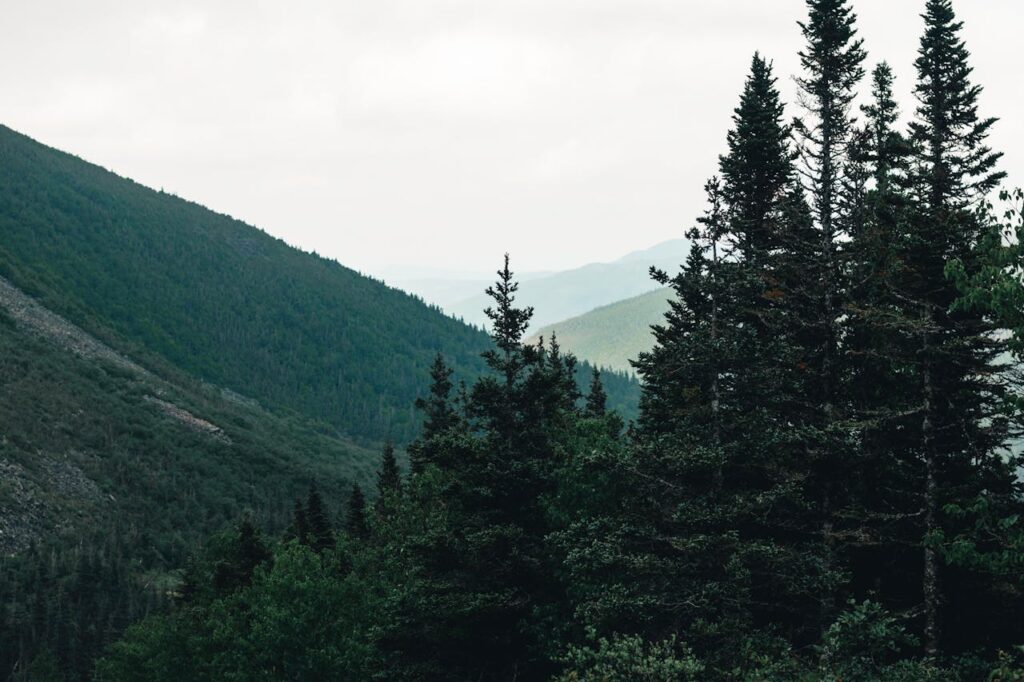
Short walks tend to include more frequent stops. Not because of fatigue, but because the pace allows for it. Sitting on a rock, standing near a clearing, or simply stopping for a moment becomes part of the experience.
These pauses are not interruptions. They help define the rhythm of the walk. Time feels less structured, and movement becomes secondary to observation.
In many cases, these moments are what make the walk feel complete.
Less Physical Demand, More Consistency
Without long distances or steep elevation, the physical aspect becomes less noticeable. This allows for a steady pace that does not require adjustment.
Energy is used more evenly, which makes it easier to remain present throughout the entire walk. There is no need to conserve energy for later sections or recover after difficult terrain.
This consistency creates a smoother overall experience.
Familiar Places Feel Different Over Time
Short trails are often revisited more frequently. This makes it easier to notice how they change over time. Seasonal shifts, weather conditions, and light variations all become more apparent when returning to the same location.
What felt familiar at one time can feel slightly different on another visit. These changes are usually subtle, but they add depth to the experience.
Over time, the trail becomes less about exploration and more about observation.
Less Planning, More Flexibility
Short walks require minimal preparation. There is no need for detailed planning or extended time commitments. This makes them easier to fit into a regular schedule.
Because of this flexibility, they can be more spontaneous. A short window of time is enough to step outside and move through a natural space without needing to organize a full outing.
This simplicity often leads to more consistent outdoor time.
Quiet Spaces Close to Familiar Areas
Many short trails are located near residential or accessible areas, but still provide a sense of separation from everyday surroundings. Even a brief walk can create a noticeable shift in atmosphere.
These spaces may not be remote, but they still offer the core elements of a natural environment. Trees, uneven ground, filtered light, and subtle sound changes are present even in smaller areas.
The distance from daily routines feels greater than the actual physical distance covered.
Weather Has Less Impact on Plans
Short walks are easier to adapt to changing conditions. Light rain, cooler temperatures, or wind are less likely to affect the overall experience because the time commitment is limited.
This makes it easier to go outside without waiting for ideal conditions. The environment can be experienced as it is, rather than trying to avoid certain weather patterns.
Over time, this leads to a broader understanding of how different conditions affect the same space.
Ending Without a Clear Finish
Short walks do not have a strong sense of completion. There is no defined end point that signals the finish. Instead, the walk simply concludes when you decide to turn back or leave the area.
This lack of structure removes the idea of finishing something. The experience feels continuous rather than segmented.
In many cases, this makes the walk feel more natural and less goal-driven.
Why Short Walks Stay Consistent
Because they are simple and accessible, short walks are easier to repeat. This repetition builds familiarity, but also highlights variation. Each visit adds small differences without changing the overall structure.
Quebec’s natural areas support this kind of experience well. Even smaller spaces provide enough variation to remain engaging over time.
In the end, the value of a walk is not determined by distance. Short routes often offer a more balanced and consistent experience, especially when the focus shifts away from reaching a destination.